
Deforestation in the Amazon is falling. So why are experts still worried?
Forest-loss in Brazil’s Amazon rainforest is moving in the right direction, but experts warn that fires, political change, and land rights could decide whether 2030 becomes a turning point or another missed promise.
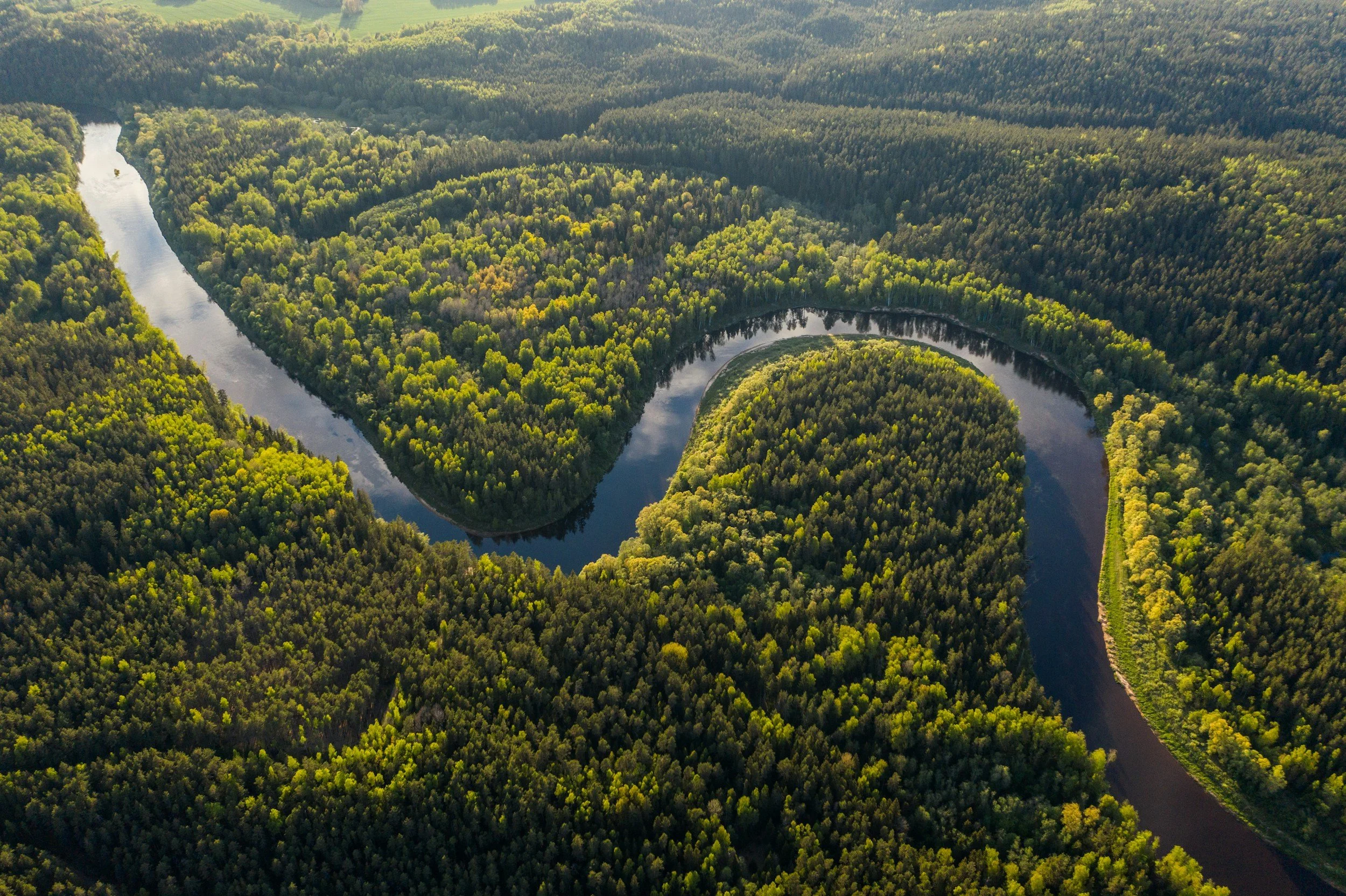
Brazil has moved closer to its goal of ending deforestation in the Amazon rainforest by 2030. Royalty-free image.
Less than four years to go until 2030, the Amazon is starting to show signs of success for Brazil’s efforts to end deforestation. While satellite data suggest policy and enforcement has made a measurable difference, the forest is not yet safe.
Behind the data demonstrating improvement are a multitude of pressures, like drought, illegal mining, and political shifts that could undo years of progress. For Indigenous peoples, especially uncontacted groups, the fight for the Amazon’s survival is tightly linked to their own fight for survival. The question of who gets to decide what protection looks like runs through conservation efforts in the rainforest.
Globally, more than 140 countries have backed the aim of halting and reversing forest loss by 2030. Brazil has also set a target to “achieve zero deforestation and conversion of native vegetation by 2030”, through be removing illegal deforestation, compensating for legal vegetation loss, and preventing wildfires, according to analysis of its national biodiversity strategy.
“Zero deforestation” can sound like no trees will be cleared at all. In practice, Brazil’s official framing includes ending illegal deforestation while compensating for some legal vegetation clearance. Bruno Ferreira, a researcher on the Amazon team at MapBiomas, suggested that the wording “zero illegal deforestation by 2030” may be more precise when referring to Brazil’s official target.
MapBiomas Alerta data show that deforestation in the Amazon fell by 23.5% in 2025 compared with 2024, reaching 289,478 hectares, the lowest value in the platform’s historical series. Across Brazil, the total area deforested fell below one million hectares for the first time since the series began.
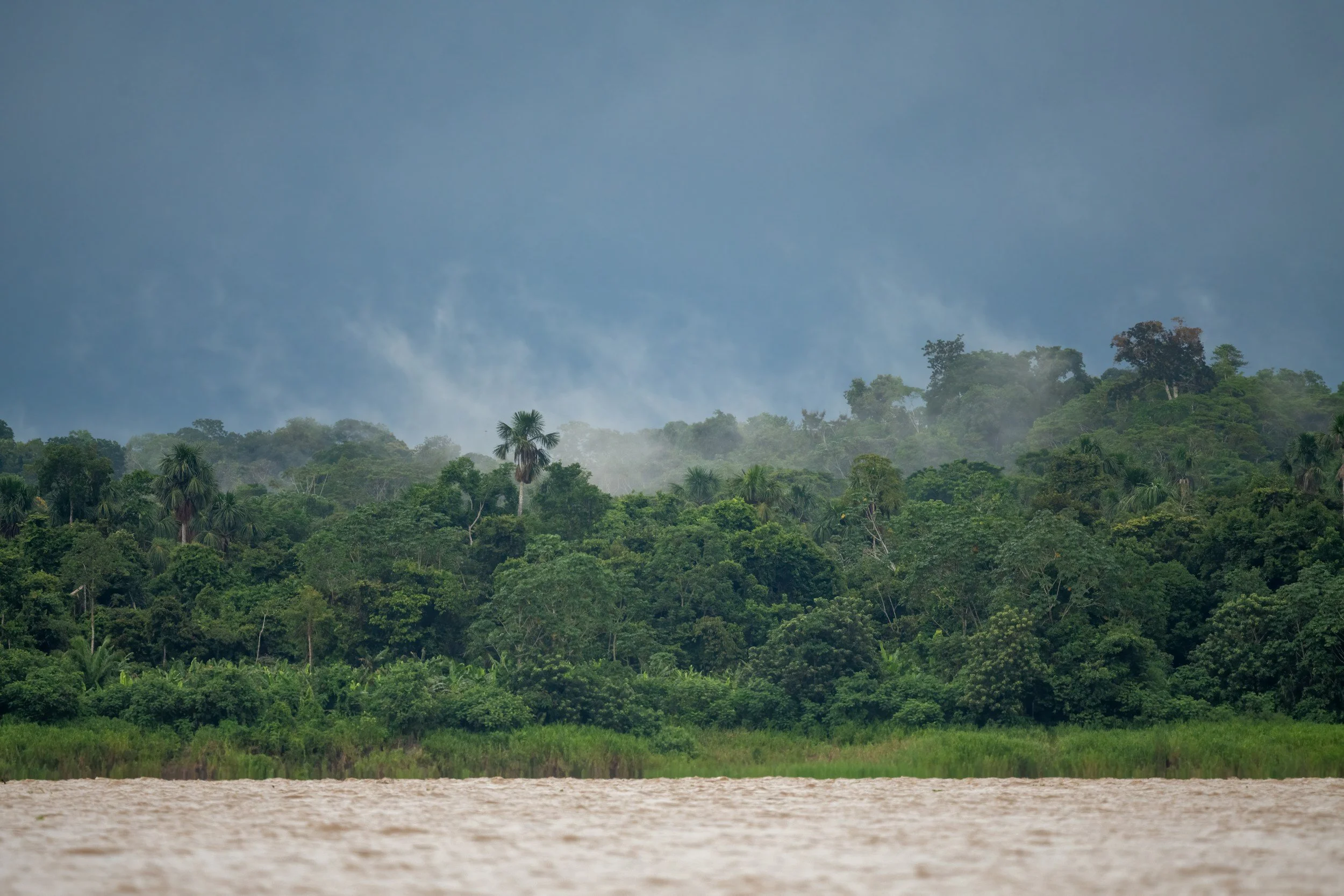
Illegal extraction of natural resources in the Amazon fuels wildfires and deforestation. Royalty free image.
Ferreira said the figures showed “important progress”, but added that they were “not sufficient to conclude that Brazil is definitively on track” to reach the 2030 goal. Sustaining the trend, he said, would depend on continued reductions, strong public policies, and action on the main drivers of native vegetation loss.
The wider global picture is less hopeful. World Resources Institute’s Global Forest Review says the global deforestation rate in 2025 was still 70% higher than where it needed to be to reach zero deforestation by 2030. Tropical primary rainforest loss did fall by 36% in 2025 after record-breaking losses in 2024, but the world still lost 4.3 million hectares of tropical primary forest.
The Amazon Basin looks more promising than the global average. Michelle Sims, GIS Research Associate at World Resources Institute, said WRI’s deforestation proxy showed deforestation in the basin falling 34% between 2024 and 2025, after a 29% fall between 2022 and 2023. The basin, she said, is still “about 25% above where it needs to be in 2025”, but “if this pace holds, the region is within reach of the 2030 goal”.
“Every year we release these numbers and there’s a temptation to land on a single verdict on whether it is a good year or a bad one,” Sims said. “But most of the time, the story isn’t so simple.”
One reason is politics. Brazil’s deforestation rate rose sharply under former president Jair Bolsonaro before falling again after Luiz Inácio Lula da Silva returned to office. WRI’s latest global analysis says much of the reduction in tropical primary forest loss in 2025 came from Brazil, which saw a 42% reduction in primary forest loss, although it still had the largest area of tropical rainforest loss because of the scale of its forests.
Sims warned that gains built over several years can be reversed quickly. “A single election, policy changes, or other external factors can undo years of progress,” she said.
Professor Jos Barlow, Professor of Conservation Science at Lancaster University, also cautioned against treating recent declines as proof that the 2030 goal is secured.
“Sustained year-on-year reductions in deforestation are excellent news,” he said, “but halting deforestation altogether is going to be much harder, even if strong political will is sustained after this year’s federal elections in Brazil.”
Deforestation is only one method of measuring the health of a forest. MapBiomas Alerta monitors the complete removal of native vegetation. It doesn’t capture forest degradation, such as selective logging, understory fires, or disturbances that leave vegetation standing while damaging the forest’s structure and ecological functions. This means that a forest can still appear on a map but be drier, more flammable, less biodiverse, and less able to store carbon.
In Brazil’s Amazon, recent DETER satellite alerts suggest that degradation is outpacing clear-cutting: from August 2025 to April 2026, deforestation alerts covered nearly 1,700 square kilometres, while degradation affected about 4,420 square kilometres.
Barlow said this is one of the biggest risks that is often overlooked when people focus only on deforestation numbers, and highlighted the threat of forest degradation, especially from wildfires.
Fire is becoming harder to treat as a secondary issue. WRI says agricultural expansion was the leading cause of tree cover loss across the tropics in 2025, but fires were again a major global driver. For the past three years, fires have burned more than twice as much tree cover as they did two decades ago. In 2025, they were responsible for 42% of global tree cover loss.
For humid tropical rainforests, fire is especially concerning because it is not a normal part of the ecosystem in the way it can be for other drier landscapes, which are even managed through controlled burns. Drought and heat make forests more vulnerable, and burning weakens them further, creating the ideal conditions for future fires. A 2024 Nature study estimated that by 2050, between 10% and 47% of Amazonian forests could be exposed to compounding disturbances that may trigger unexpected changes to the ecosystem.
Barlow also said, “deforestation of tropical forest can take attention away from the conversion of species-rich savannah, such as the Brazilian Cerrado.”
MapBiomas made a similar point. Although Amazon deforestation declined significantly in 2025, the Cerrado remained, for the third consecutive year, the Brazilian biome with the largest deforested area. The risk is that a narrow focus on the rainforest could obscure destruction in neighbouring ecosystems that are also crucial for biodiversity, water systems, farming, and, crucially, climate stability.
Ferreira said agriculture and cattle ranching have accounted for more than 99% of native vegetation loss over the past seven years, making agricultural expansion the main force behind deforestation. MapBiomas also estimated that more than 89% of the area deforested in 2025 showed at least one indication of illegality or irregularity.
Sims said mining is also a growing concern in parts of the Amazon, even if the importance of different drivers varies by country and region. This is important because each pressure requires a different response. Stopping illegal cattle-linked deforestation is not the same policy challenge as tackling gold mining, infrastructure expansion, or fire.
For Survival International, the human rights organisation, the central question is even more fundamental: who controls the land?
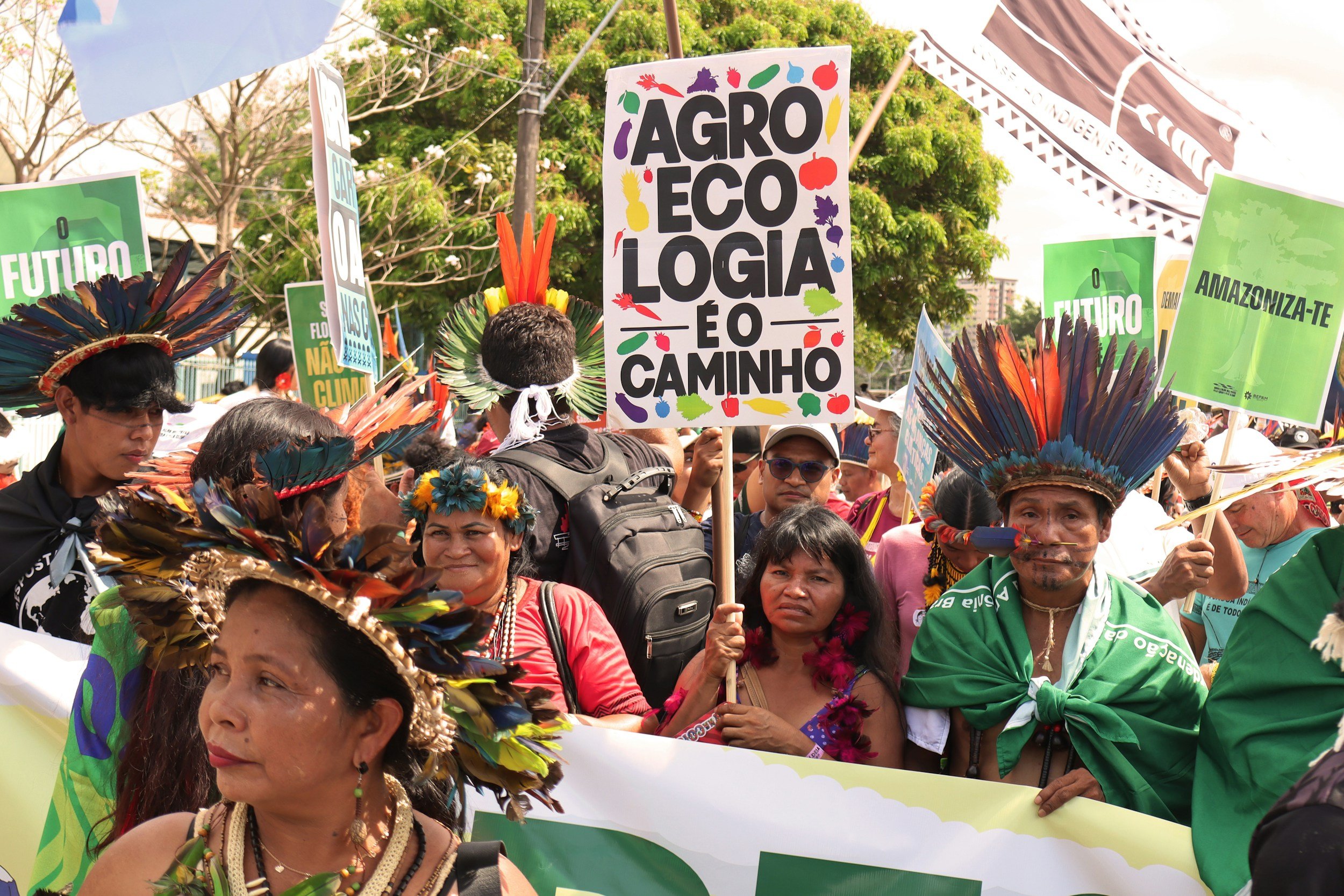
The survival of indigenous tribes in the Amazon is closely intertwined with the rainforest’s survival. Royalty free image.
Paula Zamorano Osorio, Media and Communications Officer at Survival International, said the biggest threats to Indigenous peoples, particularly uncontacted peoples in the Amazon, are “the theft of their lands”, including for logging, mining, and cattle ranching.
“Uncontacted tribes are the most vulnerable peoples on the planet, without their land they cannot survive,” she said. “Protecting their territories and having their territories officially recognised is the best way to ensure that deforestation and any other forest destruction is stopped, and that uncontacted peoples can survive and thrive.”
Survival also warned against treating the Amazon primarily as a way to balance carbon accounts. Zamorano Osorio described some net zero and offsetting approaches as “a dangerous diversion” from cutting fossil fuel use, arguing that they can shift the burden of climate action onto Indigenous peoples and local communities in the global south.
This means that while a well-intentioned conservation goal can sound like a positive step on paper, if it encourages land grabs, top-down conservation, or offset schemes that exclude the people who live in and depend on forests, it risks reproducing harm in the name of climate action.
Brazil’s challenge, then, is not simply to reduce the number of hectares lost each year, but to make its recent progress sustainable. This means taking measures such as maintaining enforcement beyond one government, tackling environmental crime, and recognising Indigenous territories.
Barlow said this is a critical period. “While the 2030 target may be missed, perhaps the most important thing in the longer term is embedding durable and effective policies and practices in national governments and in the international supply chains that help drive deforestation,” he said.
The Amazon is closer to the 2030 goal than it was during the peak years of recent destruction, but the path forward is narrow. Headline numbers show that rapid progress is possible, but lessons from the past show how easily that progress could stall, shift elsewhere, or be undermined by damage that satellites do not detect as deforestation.
Therefore, it is possible that by 2030, success will not be determined based only on whether fewer trees are cut down. It will depend on whether the forest that remains is healthy, connected, and protected by systems strong enough to survive the next election, drought, and wave of pressure from markets hungry for the Amazon’s resources.